Pet insurance is the rare product where the honest answer genuinely is “it depends” — and where the thing it depends on is not what most buyers think.
It is not really about whether the maths works out across an average pet’s life. For most pets, across a lifetime, it probably does not. It is about whether you could write a $7,000 cheque on a Tuesday evening without the decision being made for you by your bank balance.
What it actually is
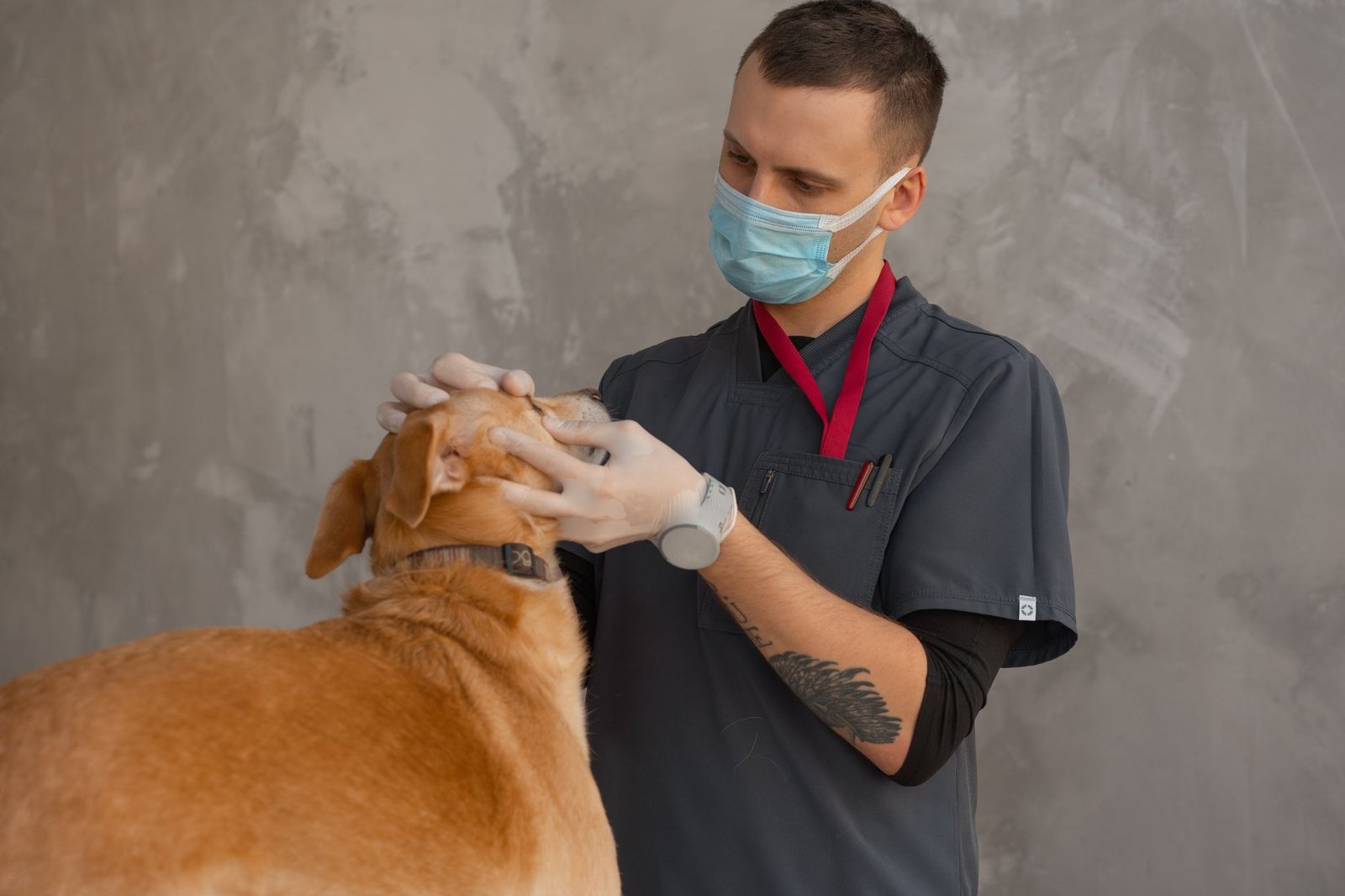
Pet insurance works almost nothing like human health insurance, and the differences matter more than the similarities.
There is no network. You may use any licensed veterinarian, including specialists and emergency hospitals, anywhere in the country.
It is reimbursement based. You pay the vet in full and submit a claim afterwards. This is the single most important practical fact about the product: you still need the money available at the moment of treatment. Some insurers now offer direct payment at participating practices, but it is the exception.
And it is property insurance in legal terms. Pets are property under U.S. law, which is why these policies are regulated by state insurance departments as a form of property and casualty coverage rather than as health insurance.
The three levels of cover
| Type | Covers | Suits |
|---|---|---|
| Accident only | Injuries — fractures, swallowed objects, road accidents, bites | Older pets, tight budgets |
| Accident and illness | The above plus cancer, diabetes, infections, hereditary conditions | Most owners |
| Wellness add-on | Vaccinations, dental cleaning, flea treatment, check-ups | Rarely worth it |
Accident and illness is the meaningful product. Accident-only is cheap and excludes the conditions most likely to produce a very large bill.
Wellness plans deserve a blunt assessment: they are usually a budgeting service rather than insurance. You pay a premium and receive back a capped amount of predictable spending, typically netting out close to even minus the insurer’s margin. If a fixed monthly payment helps you actually take the pet for check-ups, that behavioural benefit is real. The financial case is weak.
The four numbers that define a policy
- Annual limit — the maximum paid per policy year. Commonly $5,000 to $10,000, with unlimited options available. Some policies use per-incident or lifetime limits instead, which are considerably worse for chronic conditions.
- Deductible — usually annual, occasionally per condition. A per-condition deductible resets for each new diagnosis, which sounds minor and is not.
- Reimbursement percentage — typically 70, 80 or 90 percent of the covered bill after the deductible.
- What the percentage applies to — and this is where policies quietly differ. Better policies reimburse against your actual vet bill. Others reimburse against a benefit schedule, a fixed table of what the insurer considers each procedure should cost. If your vet charges more than the schedule, you absorb the difference on top of your coinsurance.
Always ask whether reimbursement is based on the actual invoice or a benefit schedule. Two policies quoting “90 percent reimbursement” can pay very different amounts.
The exclusion that decides everything

Pre-existing conditions are excluded by every pet insurer, without exception.
Anything that showed signs or symptoms before coverage began, or during the waiting period, is permanently excluded. It does not need to have been diagnosed. A note in the records about limping, itching, or an upset stomach can later be used to exclude an entire category of illness.
Insurers distinguish between curable and incurable pre-existing conditions. Some will cover a curable condition — a resolved ear infection, say — after a symptom-free period of six or twelve months. Chronic conditions such as allergies, diabetes, heart disease and arthritis are excluded permanently.
Two consequences follow, and they are the practical heart of the subject. Insure a pet while it is young and healthy, ideally as a puppy or kitten. And understand that switching insurers later means anything diagnosed under the old policy becomes pre-existing under the new one — which effectively locks you in once your pet develops any condition.
Waiting periods and other exclusions
Coverage does not begin the day you buy. Accident waiting periods are often a few days; illness waiting periods commonly run 14 to 30 days. Orthopaedic conditions — cruciate ligament injuries and hip dysplasia in particular — frequently carry waiting periods of six months or longer, and these are among the most expensive claims in the category.
Beyond pre-existing conditions, standard exclusions include:
- Breeding, pregnancy and whelping.
- Elective and cosmetic procedures, including routine spaying and neutering unless a wellness plan covers it.
- Preventive care on a standard policy.
- Grooming, boarding and behavioural training in most policies.
- Conditions arising from neglect or failure to follow veterinary advice.
- Dental disease in many policies, or coverage limited to dental injury from accidents only.
Some insurers also apply bilateral condition exclusions: if one knee has a problem before coverage, the other knee is excluded too.
What veterinary care actually costs
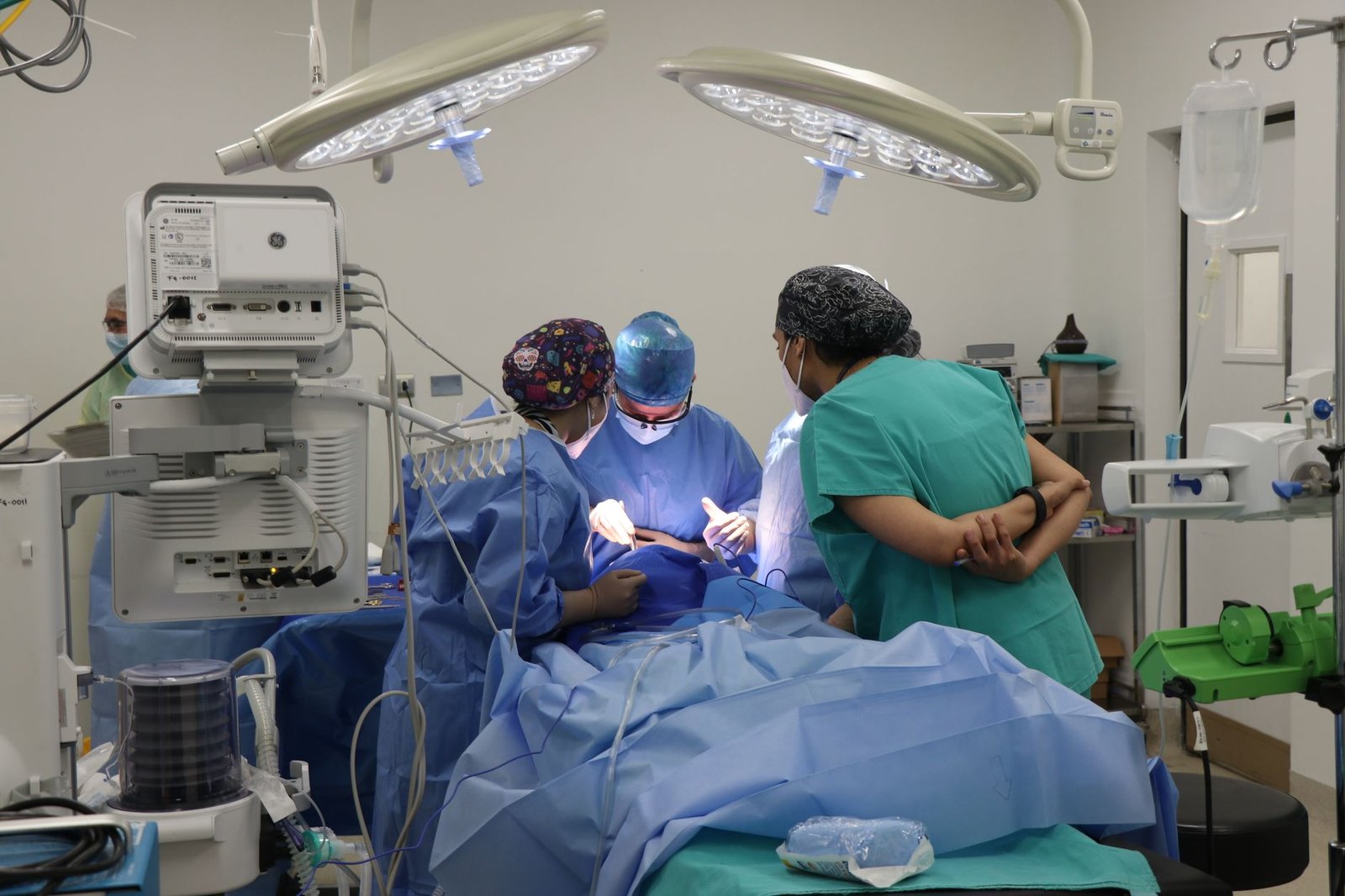
The case for insurance rests entirely on the tail of this distribution. Routine care is affordable; the events that are not affordable are the point.
Ordinary annual care — check-up, vaccinations, preventive medication — typically runs a few hundred dollars. Then the tail begins. Cruciate ligament surgery commonly runs into the thousands per knee. Cancer treatment involving surgery, chemotherapy and monitoring can reach five figures. Emergency surgery for an intestinal blockage after a dog swallows a toy is a classic several-thousand-dollar event that arrives without warning. Chronic conditions such as diabetes generate ongoing costs for years.
Veterinary medicine has also improved dramatically, which is why costs have risen. Procedures that were not available twenty years ago now are, and owners face decisions their parents never had to make.
The phrase that comes up repeatedly in veterinary practice is “economic euthanasia” — putting an animal down because treatment is affordable in principle and not in your account this week. Avoiding that specific decision is what many owners are actually buying.
A claim, from bill to reimbursement
The policy numbers only mean something once you run one through. Take a hypothetical policy with a $500 annual deductible, 80 percent reimbursement and a $10,000 annual limit. The dog swallows a sock and needs emergency surgery.
| Vet bill — exam, imaging, surgery, two nights, medication | $6,200 |
| Less annual deductible | −$500 |
| Covered amount | $5,700 |
| Reimbursed at 80% | $4,560 |
| Your share | $1,640 |
Three things that table makes concrete.
You needed $6,200 on the night. The reimbursement arrived weeks later. This is the practical reality of the product and the reason a cash buffer is still necessary even with insurance.
The deductible is annual, so it is now satisfied. A second unrelated illness later in the same policy year would be reimbursed at 80 percent from the first dollar. Under a per-condition deductible, that second illness would start a fresh $500 — which is exactly why the distinction is worth checking before buying.
Had this been a benefit-schedule policy, the insurer would have reimbursed 80 percent of what its table says an intestinal foreign body surgery should cost — say $4,000 — rather than 80 percent of the actual $6,200. The cheque would have been roughly $2,800 instead of $4,560, on a policy advertising the same 80 percent.
Keep the itemised invoice and the clinical notes, submit promptly, and expect the insurer to request full medical history on a first significant claim — which is when any gap in the records becomes a pre-existing condition argument.
What drives the premium
- Species. Dogs cost more than cats, consistently.
- Breed. This is the largest single factor for dogs. Breeds predisposed to expensive hereditary conditions — large breeds prone to hip dysplasia, brachycephalic breeds with airway problems, breeds with high cancer incidence — carry much higher premiums.
- Age at enrolment. Premiums rise steeply with age, and many insurers will not start new accident-and-illness coverage on older pets at all.
- Location. Veterinary costs vary substantially between regions, and premiums follow.
- Your chosen limit, deductible and reimbursement rate.
The critical point about age: premiums increase as your pet gets older, every year, for the life of the policy. A quote that looks reasonable for a two-year-old dog will be substantially higher at ten — which is precisely when you most need the cover and least want to cancel. Ask any insurer how their premiums have moved for existing policyholders, not just what today’s quote is.
The honest alternative

Self-insuring is a legitimate strategy and it is rarely executed properly.
Open a separate account, set up an automatic transfer of whatever the premium would have been, and do not touch it for anything else. Where it works well: you are disciplined, you start when the pet is young, and you would genuinely leave the money alone. Where it fails: a serious illness arrives in year two, when the fund holds $1,200 and the bill is $7,000.
That timing risk is exactly what insurance exists to transfer, and it is the reason self-insuring suits people with existing savings rather than people planning to build them. Keeping the fund somewhere that actually pays interest helps — our comparison of high-yield savings accounts covers where.
Two other options are worth knowing. Many veterinary practices offer their own wellness plans, which spread routine costs and sometimes include discounts. And charitable assistance funds exist for owners facing emergency bills, though they are limited and heavily subscribed. Be cautious with medical credit cards offered at the practice, which frequently use deferred interest — the trap described in our guide to personal loans vs credit cards.
The part of the policy that is not about vet bills
Two coverages sit alongside the medical part and are worth knowing about, because one of them is genuinely important and neither is what people buy the policy for.
Third-party liability. If your dog bites someone or causes an accident, the resulting claim is usually handled by your homeowners or renters policy rather than by pet insurance — and dog bite claims are a substantial share of all homeowners liability payouts. Some pet policies add liability cover, which matters if your insurer has excluded your dog’s breed from the home policy, as several do. Check both documents rather than assuming one covers it. The wider exposure is covered in our guide to umbrella insurance, and the breed restriction point in what home insurance covers.
Everything else in the brochure. Boarding fees if you are hospitalised, advertising and reward costs if the pet is lost, holiday cancellation if a pet falls ill before a trip, and a payment toward the purchase price if the animal dies or is stolen. These are small benefits and should not influence your choice of insurer, but they are frequently included and equally frequently never claimed because nobody read the schedule.
What happens as your pet ages
This is the structural weakness of the product and the thing most likely to catch you out ten years in.
Premiums rise every year with the pet’s age, and the increases accelerate in later life — exactly when claims become likely. At the same time, anything diagnosed along the way is now pre-existing, so moving to a cheaper insurer means losing cover for the conditions your pet actually has.
Owners therefore face a genuinely difficult decision around year eight or ten: pay a premium that has doubled, or cancel and self-fund from that point with no cover for existing conditions. Cancelling after years of premiums feels like waste; continuing can feel like it too.
Three things soften it. Raising the deductible or lowering the reimbursement percentage with your existing insurer usually keeps continuity of cover while cutting the premium, and is far better than cancelling. Some insurers cap the annual increase or hold pricing at a certain age — worth asking about at purchase rather than discovering later. And building a parallel savings fund from the start means the decision at year ten is a choice rather than a forced one.
So is it worth it?
Probably yes if: your pet is young and healthy, you could not comfortably absorb a $5,000 to $10,000 bill, you have a breed prone to expensive hereditary conditions, or you know you would pursue treatment regardless of cost.
Probably not if: you have substantial liquid savings and would genuinely self-fund, your pet already has chronic conditions that would be excluded anyway, or the pet is old enough that premiums approach the expected cost of care.
The uncomfortable third category: if you would decline expensive treatment on principle for an older animal, insurance is buying something you would not use. That is a legitimate position and worth being honest with yourself about before paying premiums for a decade.
How to buy it properly
- Enrol young. Every month you wait risks a note in the records that becomes an exclusion.
- Choose accident and illness, and skip the wellness add-on unless you specifically want the budgeting.
- Confirm reimbursement is on the actual vet bill, not a benefit schedule.
- Check the annual limit is annual, not per-incident or lifetime.
- Read the orthopaedic waiting period if you have a large or predisposed breed.
- Ask how premiums have risen for existing customers as pets age.
- Check whether hereditary and congenital conditions are covered, which matters enormously for pedigree animals.
- Quote three insurers on identical limits, deductibles and reimbursement rates.
Your state department of insurance regulates these policies and accepts complaints, which is worth knowing given how much of the product’s value depends on claims being paid as described.
Frequently asked questions
Does it cover my vet?
Yes. There are no networks in pet insurance — any licensed veterinarian, specialist or emergency hospital in the United States is fine, and many policies cover treatment abroad as well.
How quickly am I reimbursed?
Commonly a few days to a few weeks, depending on the insurer and whether records are requested. Remember that you pay the practice in full first, so the ability to cover the bill up front remains necessary.
Can they drop my pet after a claim?
Reputable insurers do not cancel for claims, and many states restrict mid-term cancellation. What can happen is a substantial premium increase at renewal, which achieves a similar result. This is why asking about renewal pricing history matters.
Is a multi-pet discount worth chasing?
Discounts are usually modest, around 5 to 10 percent. Do not let one determine your insurer — a policy that reimburses on your actual vet bill rather than a schedule is worth far more than the discount.
Are premiums tax deductible?
Not for a family pet. They may be deductible for a genuine service animal, or as a business expense for a working animal such as a farm or guard dog. Ask a tax professional.
The short version
Pet insurance is not a good investment and is not meant to be. It is a transfer of the risk that an unaffordable bill arrives at a moment you cannot meet it.
If you buy it, buy it early, choose accident and illness, confirm reimbursement is against the actual bill, and read the orthopaedic waiting period. If you do not, open the account and make the transfer automatic — because the plan that fails is the one where neither happens.
This article is general information for U.S. consumers and is not insurance, veterinary or tax advice. Policy terms, exclusions, waiting periods and pricing vary substantially by insurer, breed and state, and your own policy language controls. Compare policies directly and consult your veterinarian about your pet’s specific risks.