Travel insurance is not one product. It is a bundle of several unrelated coverages sold together, and the parts people buy it for are rarely the parts that matter most.
Most buyers are thinking about a cancelled trip. The coverage that actually prevents financial catastrophe is emergency medical treatment and evacuation abroad — because the American health insurance you already pay for mostly stops working the moment you leave the country.
What your existing coverage does abroad

This is the fact that surprises people, and it is worth being precise about.
Medicare generally does not cover care outside the United States. There are narrow exceptions involving care near the border and on ships in U.S. waters, and some Medicare Advantage plans and Medigap policies include limited foreign emergency benefits — commonly capped at a lifetime maximum well below what a serious event costs. For most retirees travelling abroad, Medicare is not coverage.
Employer and marketplace plans vary enormously. Many cover emergencies abroad at out-of-network rates, which means you pay up front and claim later, and the plan’s out-of-pocket maximum may not apply to foreign providers. Some cover nothing outside the network area at all. Call your insurer and ask specifically about emergency care overseas before assuming.
Almost no U.S. health plan pays for medical evacuation. That gap is the single strongest argument for a travel policy.
Worth knowing too: foreign hospitals frequently require payment or a guarantee before treating a foreign patient, and will not bill a U.S. insurer. Even where your plan would eventually reimburse, you need the money first.
What is inside a policy
| Coverage | What it does |
|---|---|
| Emergency medical | Treatment abroad for illness or injury |
| Medical evacuation and repatriation | Transport to adequate care, or home, and remains home if the worst happens |
| Trip cancellation | Prepaid, non-refundable costs if you cancel for a covered reason |
| Trip interruption | Unused costs plus return travel if you cut a trip short |
| Travel delay | Meals and accommodation after a delay of a stated length |
| Baggage loss and delay | Replacement of lost luggage, and essentials while it is missing |
| Accidental death and dismemberment | A lump sum; usually the least useful component |
Two of those rows carry almost all the value. The rest are conveniences.
Medical evacuation is the coverage to check first

An air ambulance from a remote location back to the United States routinely costs a six-figure sum. From somewhere genuinely difficult — a cruise ship, a mountain region, a country without adequate specialist care — the figure climbs further.
Nobody self-funds that. It is exactly the profile insurance exists for: low probability, catastrophic cost.
Look for a limit of $250,000 or more for evacuation, and check two conditions in the policy language. Does the insurer decide where you are taken, or do you have a say — some policies transport you only to the nearest adequate facility rather than home. And is the benefit coordinated through a 24-hour assistance service that arranges and pays directly, rather than reimbursing you afterwards? The second matters enormously, because nobody arranges their own air ambulance.
For emergency medical treatment itself, a limit of at least $100,000 is a reasonable floor, and more for remote destinations or long trips.
Two different products
It helps to know that the market splits in two.
Comprehensive trip insurance covers cancellation and interruption alongside medical, and is priced as a percentage of your total trip cost. It suits expensive prepaid trips — a cruise, a package holiday, anything with large non-refundable deposits.
Travel medical insurance covers only illness, injury and evacuation, and is priced by age and trip length rather than trip cost. It is substantially cheaper, and it is the better buy for a trip where little money is at risk — visiting family, a flexible booking, a long stay abroad.
A common mistake is insuring a $900 trip with a comprehensive policy when the actual exposure is medical. If cancelling would cost you little, buy the medical product.
What “covered reason” means
Trip cancellation pays only for reasons the policy lists. It is not a refund for changing your mind.
Typical covered reasons include your own illness or injury, or that of a travelling companion or close family member; the death of a family member; a named storm making your destination uninhabitable; jury duty; being called to military service; a job loss after a qualifying period of employment; and your home becoming uninhabitable.
Typically not covered: changing your mind, a destination becoming unappealing, fear of travel, a work commitment, a supplier going out of business unless financial default is specifically included, and — critically — anything that was foreseeable when you bought the policy. A hurricane already named when you purchased is not a covered surprise.
Civil unrest, government advisories and pandemics are handled inconsistently across insurers and have changed substantially since 2020. If any of those concern you, read the specific wording rather than assuming.
Cancel For Any Reason
CFAR is an optional upgrade that does what the name says — but with three conditions that are easy to miss.
- It reimburses a percentage, commonly 50 to 75 percent, not the full cost.
- It must usually be bought within a short window of your first trip deposit, often 14 to 21 days.
- You must cancel at least a stated number of days before departure, commonly 48 hours.
It adds meaningfully to the premium — often 40 to 50 percent on top. Whether it is worth it depends on how much is non-refundable and how uncertain your plans are. For a large prepaid trip booked far ahead, it can be; for a flexible booking, it rarely is.
The pre-existing condition waiver

Travel policies exclude pre-existing conditions by default, using a look-back period — commonly 60 to 180 days before purchase — during which any condition that was treated, diagnosed, or had a medication change is excluded.
Almost every insurer will waive that exclusion, and the waiver is usually free. It comes with conditions:
- Buy within a short window of your initial trip payment — typically 14 to 21 days.
- Insure the full non-refundable cost of the trip.
- Be medically fit to travel on the day you buy.
This is the single strongest argument for buying travel insurance the same week you make your first deposit rather than the week before you fly. Both CFAR and the pre-existing waiver depend on that timing, and neither can be added later.
What you may already have
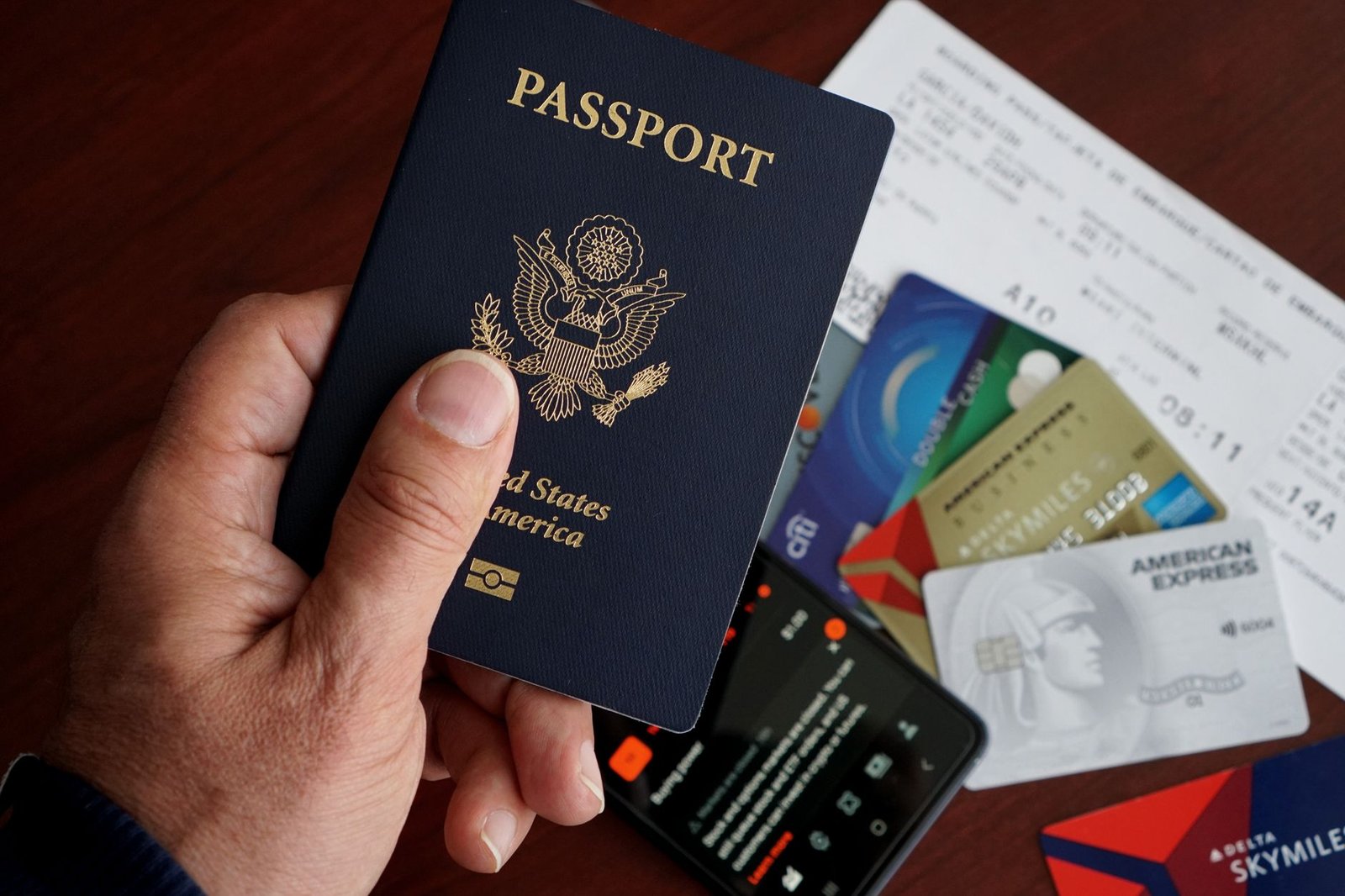
Check these before buying, because you may be paying twice.
Credit cards. Many travel rewards cards include trip cancellation and interruption, trip delay, baggage delay and rental car collision coverage when the trip is paid with that card. Limits are lower than a standalone policy and coverage is secondary, but for a modest trip it may be enough. Very few cards include meaningful emergency medical or evacuation cover, so the important gap usually remains.
Your health plan, as discussed above — worth a phone call.
Your homeowners or renters policy, which generally covers belongings anywhere in the world at a reduced percentage. A stolen laptop abroad may be a renters claim rather than a travel insurance claim, as covered in our guide to whether renters insurance is worth it. Compare deductibles before choosing which to claim on.
Your auto policy, which may extend to rental cars in the U.S. and Canada but frequently not beyond — a common and expensive assumption.
What a bad week abroad actually costs
Abstract limits are hard to judge, so here is a hypothetical sequence built from ordinary events rather than dramatic ones. A traveller in a country with limited specialist care develops appendicitis on day three of a two-week trip.
| Item | Illustrative cost |
|---|---|
| Emergency room assessment and imaging | $3,200 |
| Surgery and four nights in hospital | $18,000 |
| Complication requiring transfer to a larger city | $9,500 |
| Medical escort and business-class repatriation home | $46,000 |
| Unused prepaid tour and accommodation | $2,800 |
| Companion’s changed flights and extra hotel nights | $2,400 |
| Total | $81,900 |
Note the shape. The surgery is the smallest surprise; getting home safely is the largest line, and it is the one no U.S. health plan pays for. Note also that the hospital in this scenario wanted payment before discharge, which is why the assistance line matters as much as the limit — a good insurer guarantees payment directly rather than leaving you to find $30,000 on a card.
Had this happened with a comprehensive policy in place, essentially all of it would have been covered. Had it happened with only a credit card’s travel benefit, the last two rows might have been paid and the first four would not.
The same event in a country with excellent, inexpensive healthcare would look completely different — which is why destination, not trip cost, should drive how much medical and evacuation cover you buy.
What it costs
Comprehensive policies are typically priced at roughly 4 to 10 percent of the insured trip cost, rising steeply with the traveller’s age and with CFAR added.
Travel medical policies are priced by age, destination and duration rather than trip cost, and for a healthy younger traveller they are inexpensive — frequently a few dollars a day.
If you travel several times a year, an annual multi-trip policy is usually cheaper than buying separately, though these normally cap the length of any single trip and often exclude trip cancellation.
Where it becomes mandatory
A growing number of countries require proof of travel medical insurance as a condition of entry or of a visa, with specified minimum coverage amounts. Schengen area visas have long required it for applicants who need a visa, and several other countries have introduced requirements of their own.
Requirements change, so the authority is the destination country’s embassy or consulate, and the U.S. State Department’s country information pages are a useful starting point. They also publish whether a destination has adequate medical facilities, which is directly relevant to how much evacuation cover you need.
Enrolling in the State Department’s free STEP programme is worth doing regardless — it registers your trip with the nearest embassy and delivers safety updates.
Choosing between policies
Comparison sites list dozens of plans with near-identical marketing and very different contracts. Six questions separate them.
- Is the medical coverage primary or secondary? Primary pays first without you claiming on your health plan at all. Secondary pays only what your own insurer did not, which means filing twice and waiting longer. Primary is worth paying for.
- What are the medical and evacuation limits, and are they per trip or per incident?
- Is there a 24-hour assistance service that arranges and guarantees payment, or only a claims line?
- What is the pre-existing look-back period, and what exactly does the waiver require?
- Which activities are excluded — and does your itinerary include any of them?
- Is there a free-look period? Most policies allow 10 to 15 days to cancel for a full refund if you have not departed or filed a claim, which means you can buy early to secure the waiver and still change your mind.
Quote the same specification at two or three insurers rather than accepting the first result — the same discipline that works in every other line, as set out in our guide to comparing insurance quotes. And check the insurer’s financial strength and complaint record with your state department of insurance, since a travel policy is only as good as the company behind it at three in the morning in a foreign hospital.
One structural point worth knowing: the policy is usually issued by an insurance company but administered by a separate provider whose name appears on the marketing. Both matter, and the underwriter is the one carrying the risk.
Making a claim
- Call the assistance line first, before treatment where possible. Many policies require notification, and the assistance service can arrange direct payment and find an appropriate facility.
- Keep every document — medical records, itemised bills, receipts, and proof of payment.
- Get written confirmation from airlines or hotels of cancellations, delays and their duration.
- Report theft to local police within the time the policy requires, usually 24 hours, and keep the report.
- File promptly. Deadlines are strict and extensions are not guaranteed.
Save the assistance number in your phone and carry it on paper. It is useless in a wallet that was stolen with the phone.
Mistakes that cost the most
- Assuming your U.S. health plan travels with you.
- Buying the week before departure, forfeiting the pre-existing waiver and CFAR.
- Ignoring the evacuation limit, which is the coverage most likely to be needed catastrophically.
- Buying comprehensive cover for a cheap, flexible trip when travel medical would do.
- Relying on a credit card for medical coverage it does not provide.
- Not declaring a pre-existing condition, which gives the insurer grounds to deny.
- Buying the airline’s or booking site’s policy at checkout without comparing — these are frequently narrow and expensive.
Frequently asked questions
Do I need it for domestic travel?
Rarely for medical reasons, since your health plan works at home. Trip cancellation cover can still make sense for an expensive non-refundable domestic trip, and a credit card benefit often covers it adequately.
Does it cover adventure activities?
Often not. Scuba diving, skiing off-piste, mountaineering, motorcycling and skydiving are commonly excluded or require a specific rider. If your trip involves any of them, check the exclusions before buying rather than after an accident.
What if the airline cancels my flight?
The airline’s own obligations come first, and U.S. rules entitle you to a refund for a cancelled flight you choose not to take. Travel insurance covers the knock-on costs the airline will not — a missed prepaid tour, a lost hotel night — rather than duplicating the refund.
Can I buy it after I have left?
Some travel medical policies can be purchased while already abroad, usually with a waiting period before coverage begins. Trip cancellation cannot be bought once the trip has started, and the pre-existing waiver will not be available.
Is a cruise different?
Meaningfully. Shipboard medical facilities are limited and charged privately, evacuation from a vessel is expensive and complicated, and missed-port coverage is a cruise-specific benefit. Policies designed for cruises exist and are usually worth the difference.
The short version
Call your health insurer and ask exactly what they pay abroad. Then buy for the medical risk rather than the cancellation risk — at least $100,000 of emergency medical and $250,000 of evacuation, arranged through a 24-hour assistance service.
And buy within two weeks of your first deposit. That single piece of timing is what unlocks the pre-existing condition waiver and the option of Cancel For Any Reason, and neither can be bought back later.
This article is general information for U.S. travellers and is not insurance, medical or legal advice. Policy terms, covered reasons, waiver conditions and entry requirements vary by insurer and by country and change frequently. Read the policy wording, and confirm entry requirements with the destination country’s embassy before you travel.